Born in America, shaped by generations of boundary-pushing musicians and embraced across the Atlantic, jazz remains one of the world’s most vital live music traditions.
Few musical genres have travelled as far, or changed as much, as jazz. Emerging from African American communities in the late nineteenth and early twentieth centuries, it grew from blues, ragtime, spirituals and the musical traditions of the African diaspora into a global language of improvisation. Today, jazz exists in countless forms, from smoky basement clubs and historic listening rooms to experimental collectives and late-night dance floors. Its history may be rooted in America, but its future is being written on both sides of the Atlantic.
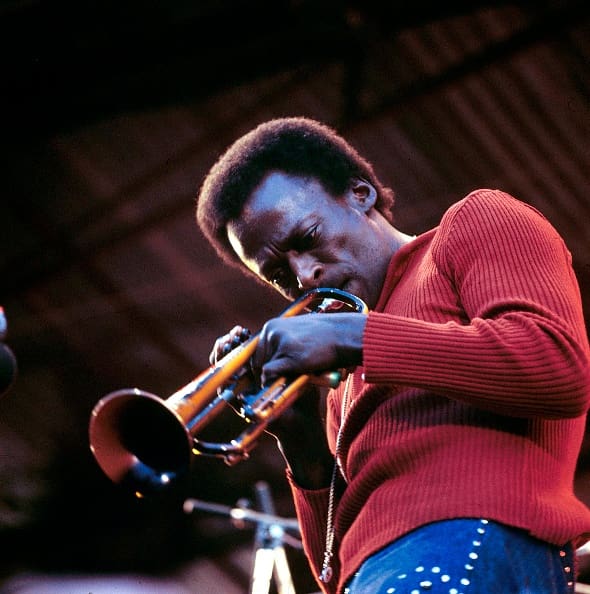
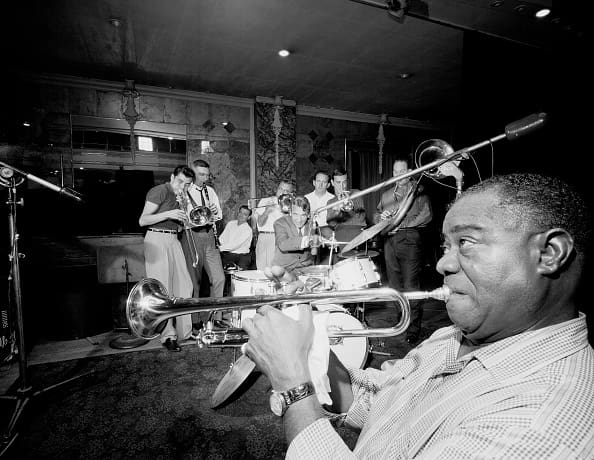
New Orleans is widely recognised as jazz’s birthplace, where African, Caribbean, European and Black American musical traditions converged. By the early twentieth century, musicians were developing a sound defined by syncopation, collective improvisation and an unmistakable sense of swing. Louis Armstrong helped transform jazz into a soloist’s art, while the music subsequently travelled north, flourishing in Chicago and New York. The swing era brought jazz into ballrooms and mainstream culture, before bebop pioneers such as Charlie Parker and Dizzy Gillespie pushed the music towards faster tempos, intricate harmonies and smaller ensembles. Later, Miles Davis, John Coltrane and countless others expanded its possibilities through modal jazz, free improvisation and fusion. Jazz was not a fixed tradition per se. Instead, each generation challenged the last. It is that restless spirit that remains audible in America’s live music scene today.
Enjoy more Classic American Magazine reading every month.
Click here to subscribe & save.
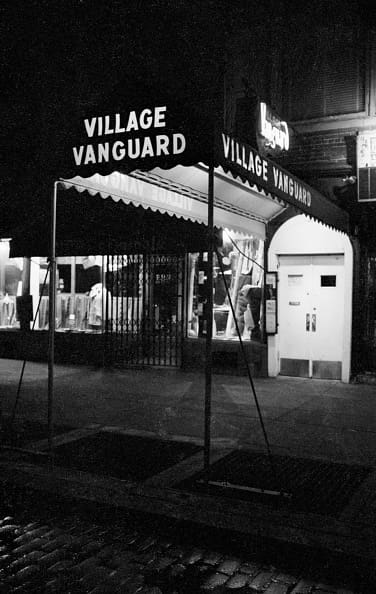
In New York, the Village Vanguard in Greenwich Village offers a masterclass in attentive listening. Its intimate basement has hosted generations of jazz greats, and within its noirish atmosphere, every note matters. Nearby, Smalls Jazz Club offers a different experience, where emerging players and established musicians share the stage in the often crammed late night joint. For a more theatrical evening, Birdland combines jazz tradition with the glamour of a classic New York supper club, while Dizzy’s Club pairs live performances with sweeping views of Central Park. Down in TriBeCa, The Django takes inspiration from Parisian cellar clubs, bringing together contemporary jazz, cocktails and an intimate, atmospheric setting.
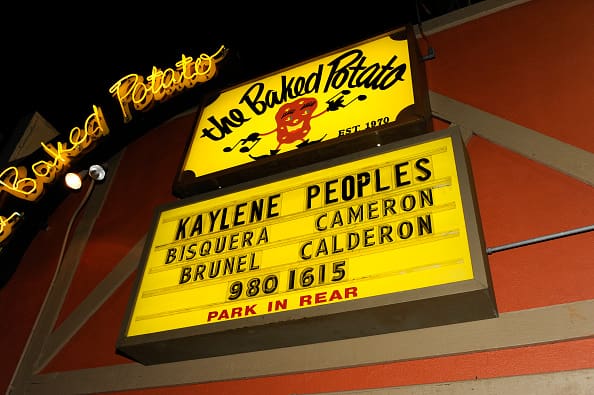
Los Angeles offers its own unique and storied scene. The Baked Potato, which opened in 1970, has become a landmark for jazz fusion and technically adventurous playing. Fairylights dangle over posters of Nancy Sinatra and its bright yellow signage lights up Cahuenga Blvd. Here, jazz meets rock, funk and electric virtuosity, reflecting the influence of the West Coast’s studio musicians. It is a reminder that jazz has always been as comfortable embracing amplification and experimentation as it is celebrating acoustic tradition.
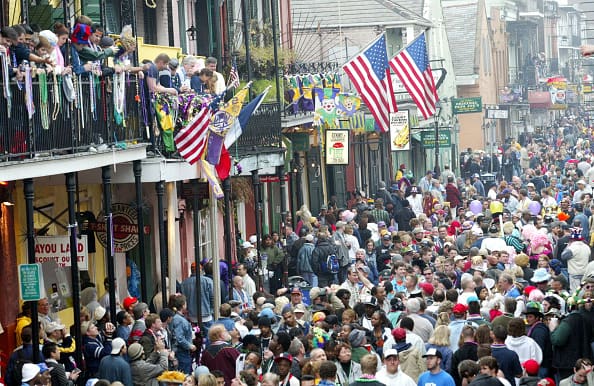
Returning to New Orleans reveals how jazz remains woven into everyday life. On Frenchmen Street, Snug Harbor hosts local and touring artists, with contemporary jazz featuring in its varied programme. At The Spotted Cat Music Club, traditional jazz, brass bands and danceable rhythms take centre stage. Elsewhere, Preservation Hall preserves the intimacy and spirit of traditional New Orleans jazz, while d.b.a. is a favourite for live music that can range from brass-band traditions to funk and rhythm and blues. For a more relaxed setting, Bacchanal Wine in Bywater combines outdoor music with wine and food. Uptown, the Bayou Bar at the Pontchartrain Hotel is another beloved jazz hangout, while the Columns Hotel offers a relaxed setting for live music. The best approach is to follow the musicians rather than expect a single definition of jazz. Check the WWOZ Livewire calendar before heading out. It’s an invaluable guide to performances across the city.
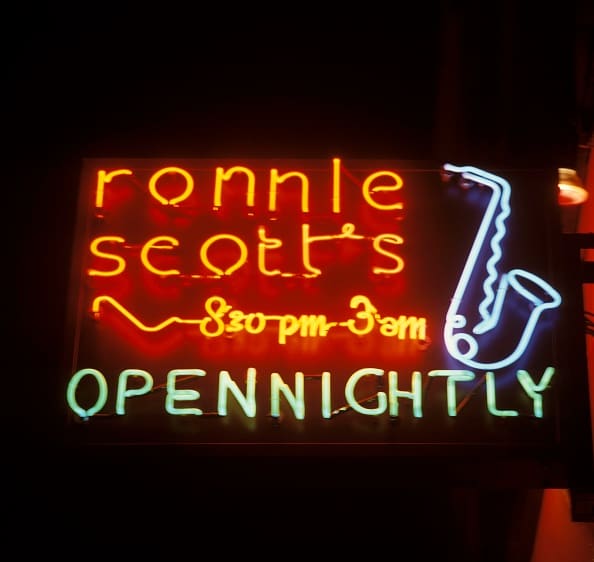
Across the Atlantic, London has developed a jazz identity of its own. British jazz has long absorbed influences from the Caribbean, Africa, soul, electronic music and hip-hop. In recent years, a new generation of musicians has blurred the boundaries between genres, helping jazz reach audiences who might never have considered themselves jazz fans. At the centre of London’s story is Ronnie Scott’s in Soho. Founded in 1959, the club has welcomed international legends while continuing to showcase British talent. Its enduring importance extends beyond the stage, and Ronnie Scott’s Charitable Foundation supports music education through grants, instruments and programmes for young people. Such investment in future generations matters in a genre whose survival depends on musicians having opportunities to learn, experiment and perform.
Grab the overground to Dalston and head to Gillett Square. Look ahead, and follow the glowing blue-green panels of non-for-profit Vortex Jazz Club. Vortex champions contemporary jazz, improvisation and adventurous new work. Its intimate, community-minded approach makes it an important platform for emerging artists. Nearby, Dalston Jazz Bar offers a more social experience, combining live music with delicious food (from smoked haddock to mussels and sparkling wine) and a lively late-night atmosphere. Another essential stop is Cafe OTO, an independent venue that has become internationally respected for experimental music, free jazz, free improvisation and avant-garde sound art. By day, it operates as a relaxed, community-minded café and co-working space, serving coffee, tea and Persian-inspired food. Its shop stocks specialist books, zines and rare vinyl, adding to its role as a creative meeting point. Be sure to hit up its semi-regular artist and writers markets! Memberships are also available for low-income fans of the avant garde. By night, the stripped-back concrete room becomes an intimate performance space, with no elevated stage and audiences sitting just metres from the musicians. The result is an unusually direct connection between performer and listener, where experimentation takes precedence over spectacle. Cafe OTO captures a vital part of London’s contemporary jazz identity, with a willingness to challenge conventions, embrace the unexpected and give artists the freedom to explore sounds that might not fit anywhere else.
Jazz’s future depends on more than celebrated musicians and historic venues. It relies on affordable rehearsal spaces, fair pay, audiences willing to discover unfamiliar sounds and organisations prepared to invest in artists before they become household names. Funding initiatives, charitable foundations and independent clubs all play a role in sustaining that ecosystem. From the hallowed rooms of New York to the street-level energy of New Orleans and the creative communities of East London, jazz continues to evolve because it invites reinvention. It can be cerebral or exuberant, traditional or experimental, a real conversation between musicians or a dance floor in full swing. The best way to understand its history is still to experience it live. Find a small club, arrive with an open mind and let the musicians take the music somewhere unexpected. More than a century after its emergence, jazz remains what it has always been. It is a living art form, shaped in the moment and never the same. May it always keep dancing, changing, and thriving!