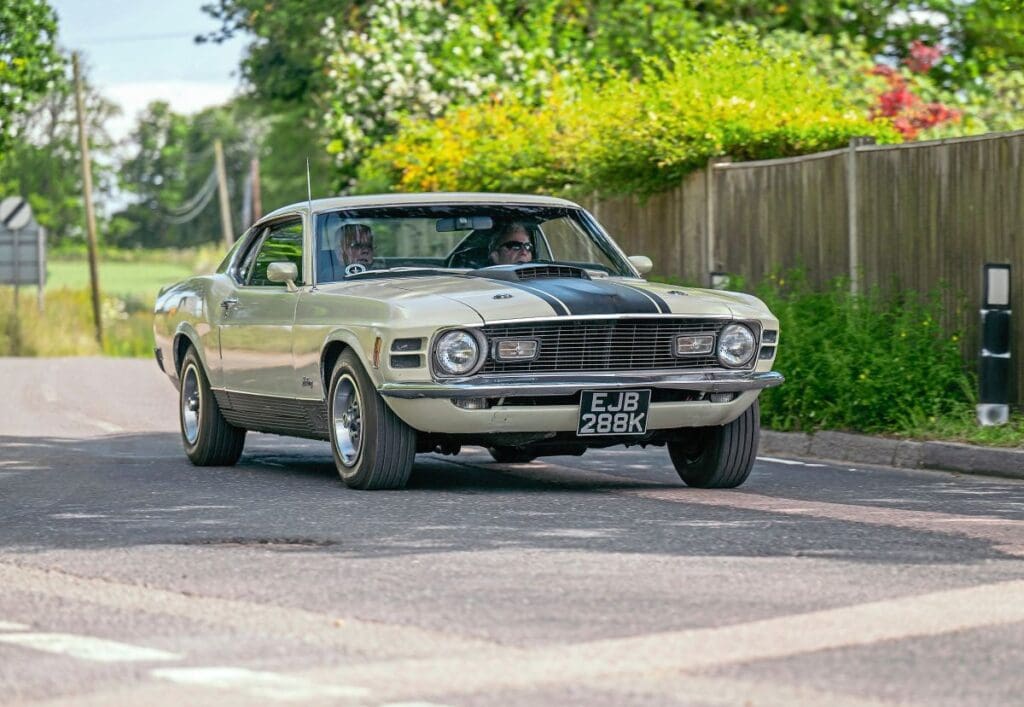
It’s not often we get to speak to the original owner of a feature car, the man who ordered it new from the dealership, but that’s the case with this incredible 1970 Ford Mustang Mach 1…
Words: Mike Renaut Photography: Matt Richardson
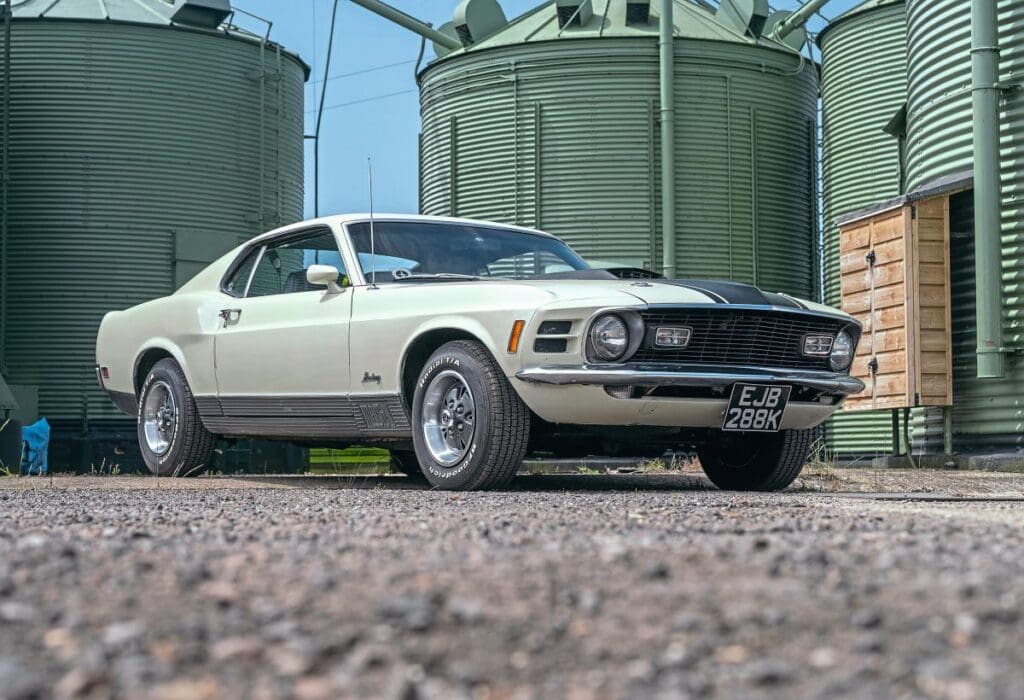
A chance sighting six years previously led Barry Hedley to buy this 1970 Mustang Mach 1. “I was an 18-year-old student at Cambridge in 1964 and saw a brand-new Mustang,” remembers Barry, “and thought it was terrific, but an impossible dream. Then, I got a fellowship to college in the USA, living there and later working in Boston. My wife Sheena and I would watch the Trans Am racing at the Bryar Motorsport Park where the Camaros and particularly the Parnelli Jones Boss 302 Mustangs really appealed. Knowing I was returning to England permanently in 1971 I decided to buy a new Mach 1.
Enjoy more Classic American Magazine reading every month.
Click here to subscribe & save.
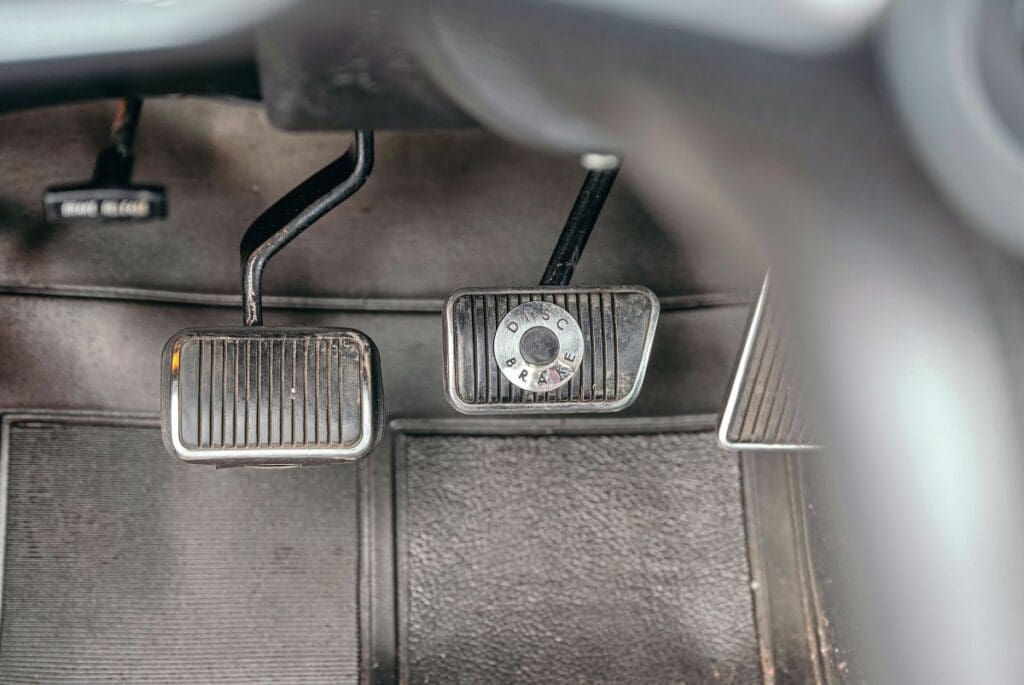
“The Boss Mustang had boy racer appeal, but the Mach 1 was more suitable for everyday use. A friend also wanted one, so on May 9, 1970, we walked into Elbery Motor Corporation in Cambridge, Mass. The salesman pushed us towards the forthcoming 1971 model – and my friend bought one – but I felt the 1970 was the last classic-shaped Mustang. The ’71 looked so much longer and bigger. I went down the accessories list with the salesman, ordering power disc brakes and he said: ‘What do you want those for? You won’t need them.’ I think, since I was 24 years old, he felt he would try to save me some money. I didn’t want power steering because I’d previously spoken to a company in England about a conversion to right-hand drive and the pump would have been in the way.
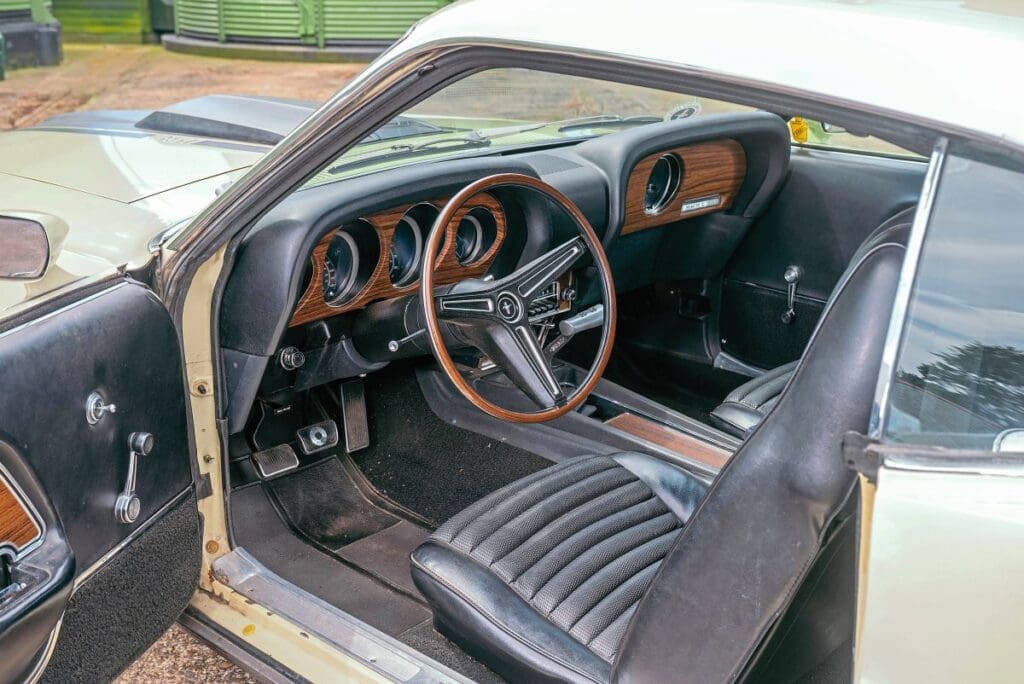
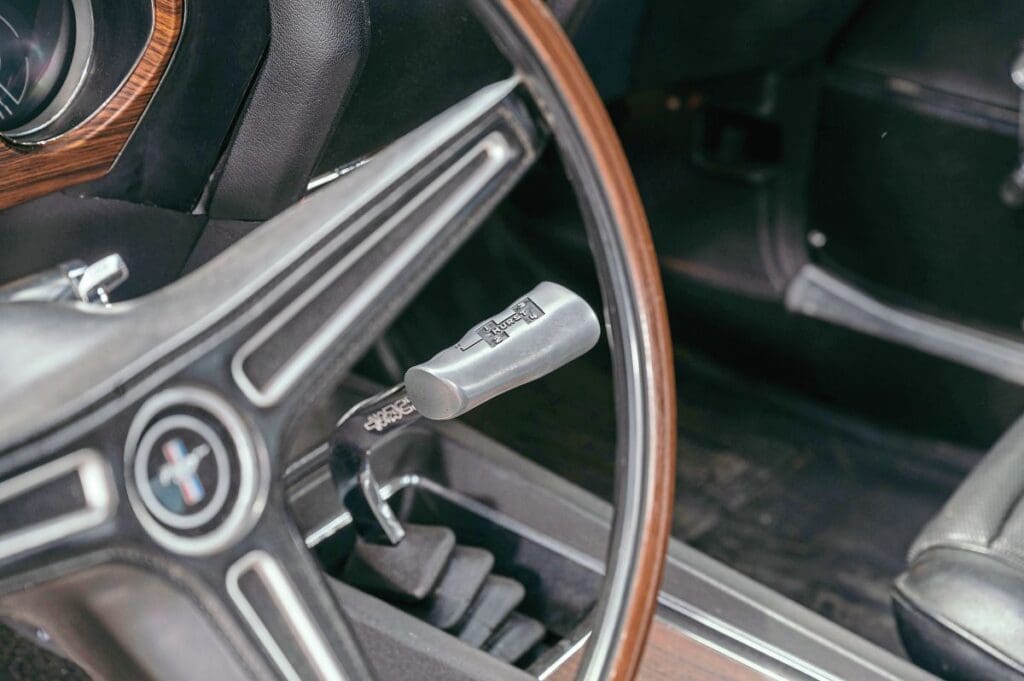
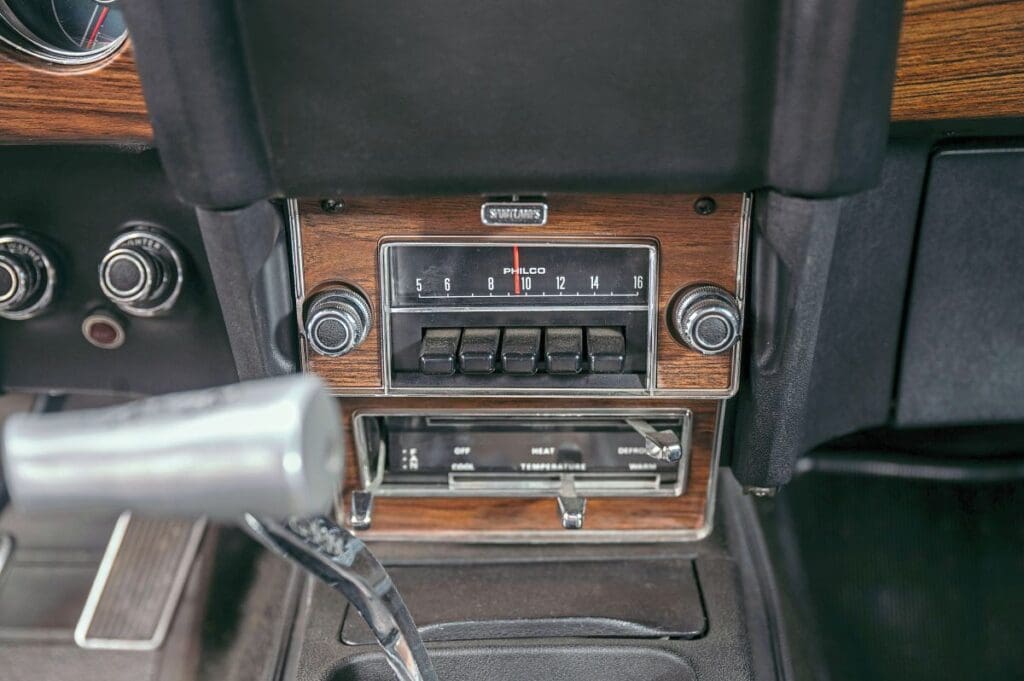
“I specified the Hurst four-speed transmission − in the UK, nobody considered automatics for a sporty car − tinted glass, the Convenience Group pack, AM radio, tachometer/odometer, the folding sports rear seat and intermediate speed windscreen wipers – which had 30 different settings! After a $100 deposit I got $500 off for paying cash, so the final cost was $3428, including $82 delivery.”
“We asked them not to order it until mid-June since we would be on holiday,” continues Barry. “I didn’t want the Mustang sat outside in their yard for several weeks. I’d specified white paint, but then we saw a Mach 1 at Bryar in Light Ivy Yellow and changed the order, since with the lead time, it hadn’t yet been built.”
Plenty of choice
In the late Sixties Ford was in a horsepower war with virtually every other manufacturer. Performance and image sold muscle cars. While most buyers left the showroom in four-door sedans and wagons, it was muscle cars that drew them in. The 1969 Mustang range featured six hot-from-the-factory models; the GT, Boss 302, Boss 429, Shelby GT350, GT500 and, new for 1969, the Mach 1.
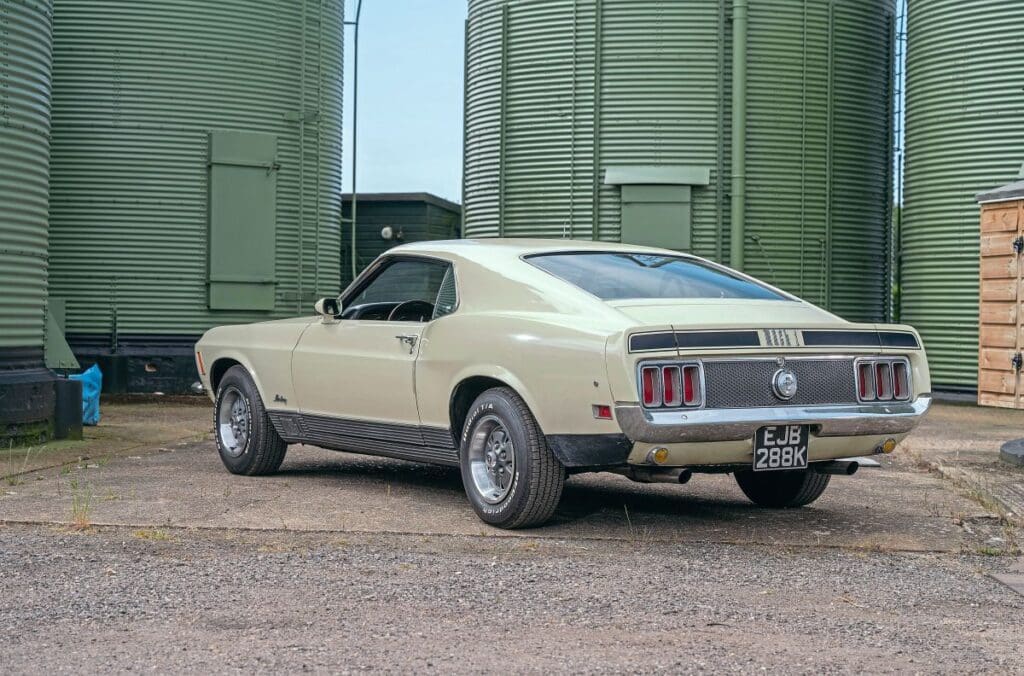
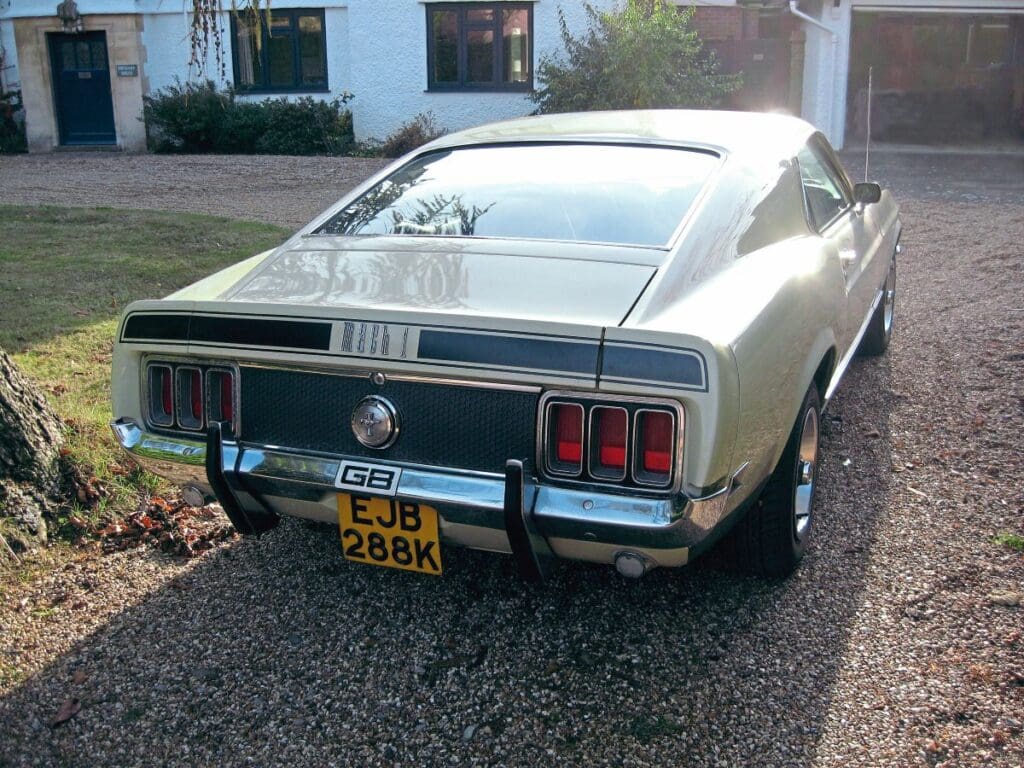
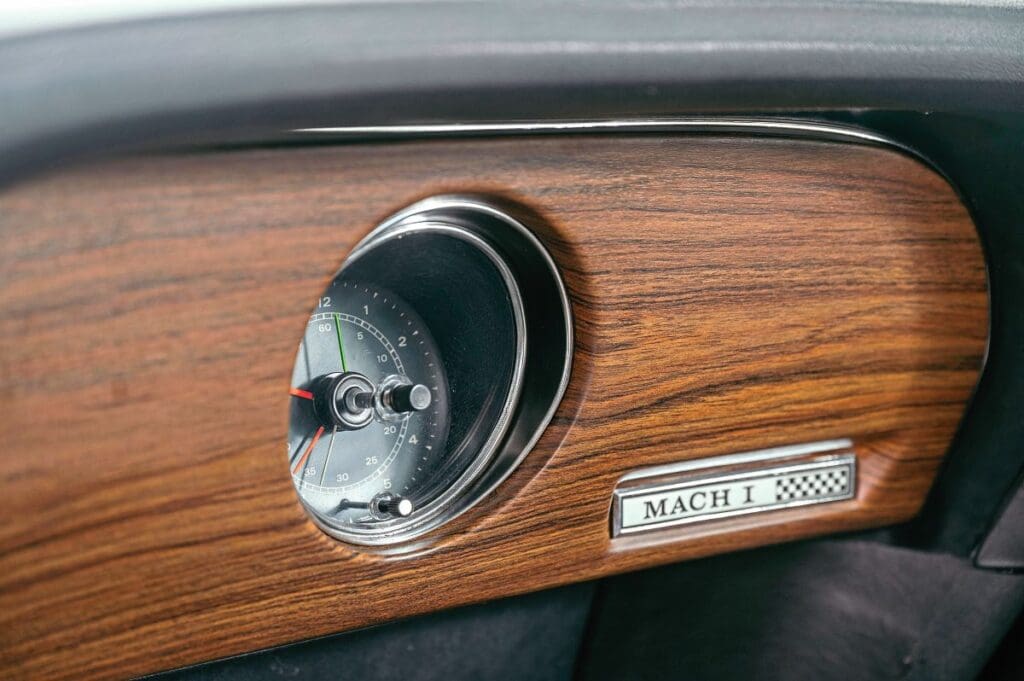
The Mach 1 was effectively a civilised version of the Boss and its success − 72,458 Mach 1s sold in that first year – killing off the far less popular GT. Only available as the ‘SportsRoof’ fastback body and only V8-powered, following rave reviews in ’69 the 1970 Mach 1 underwent few changes. Standard equipment included 16 paint colours with black or white bonnet stripe and pins, racing mirrors, sporty wheels, simulated teak woodgrain interior with full sound deadening, and high-back bucket seats. Instantly recognisable by its argent aluminium sill covers, Mach 1 options included chin and rear deck spoilers, SportSlat window louvres and a shaker hood. The single dual-beam headlights were moved inboard – like the rest of the 1970 Mustang range – with tail-lights recessed in a black honeycomb panel, the simulated side scoops behind the doors vanished and the bucket seats were revised, as were badging and stripes. Sales dropped to 40,970 but only because the Mach 1 had increased competition from its rivals.
Standard engine was the 351cu in two-barrel with three-speed manual transmission, or flavours of optional 390 and 428cu in V8s. The competition suspension was tailored to your power choice; bigger engine cars getting front shock tower reinforcement, thicker sway bars and heavy-duty springs and shocks. Early examples used the 351 Windsor engine until the new 351cu in Cleveland became available, and it’s a Cleveland that powers our feature car.
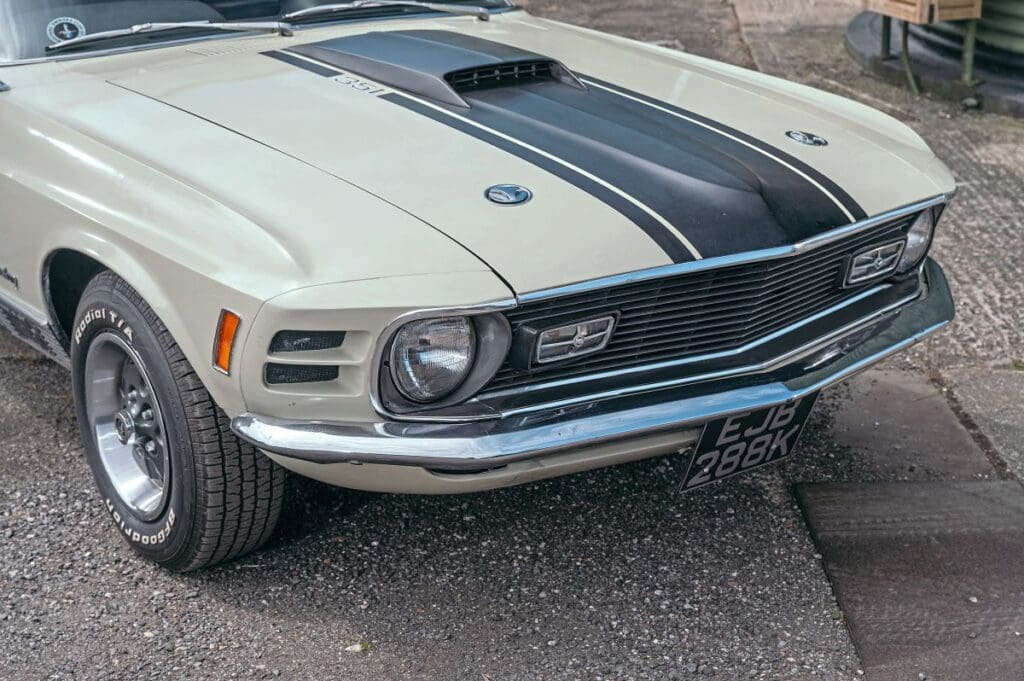
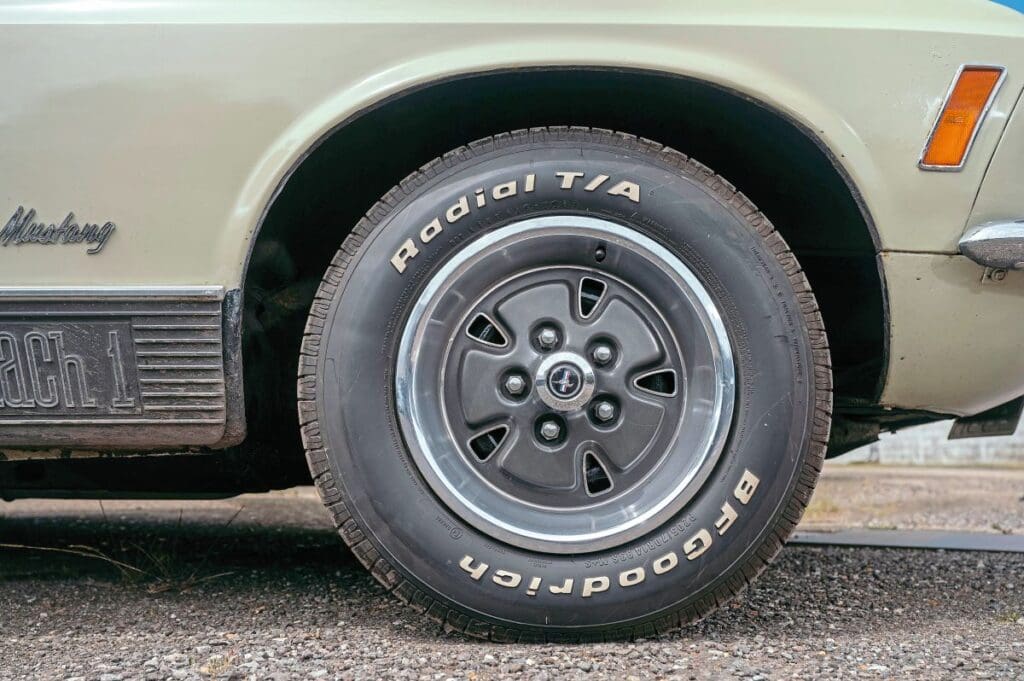
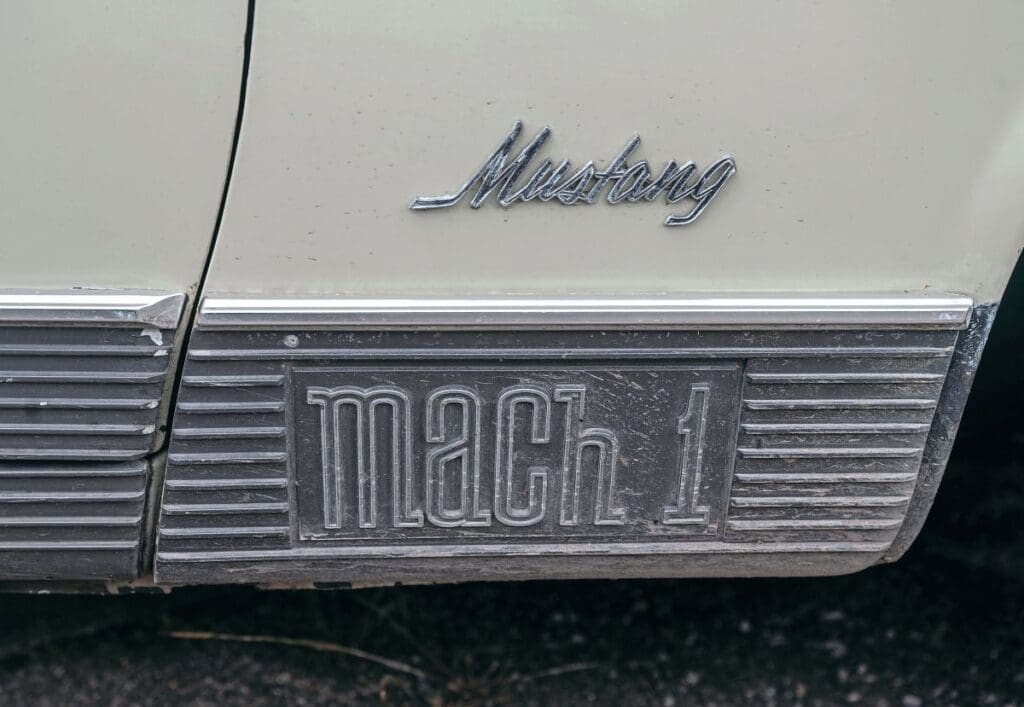
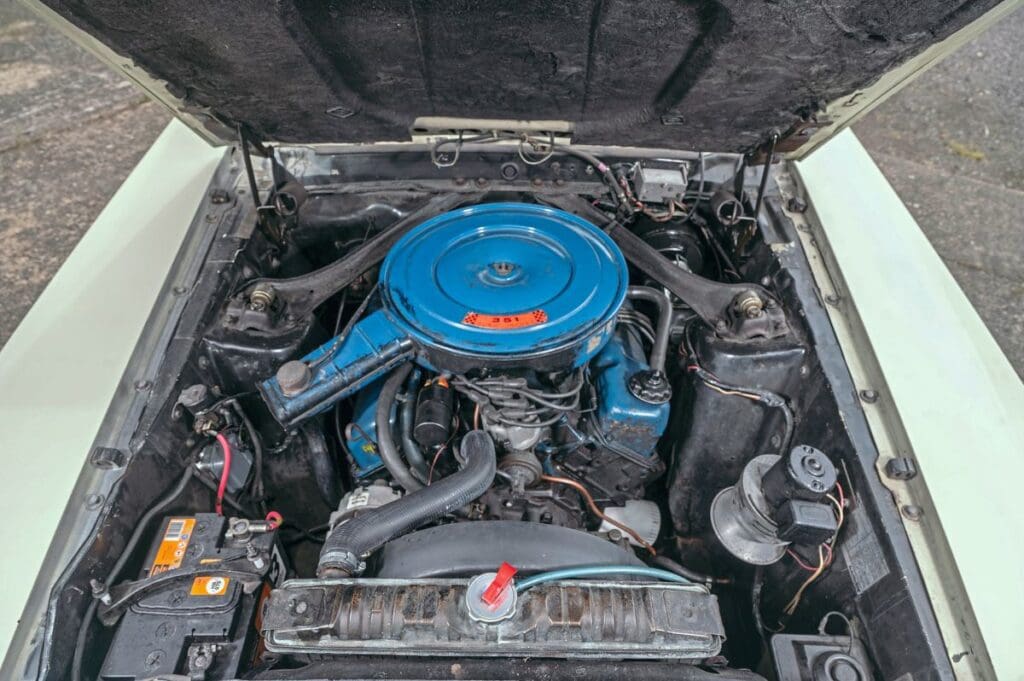
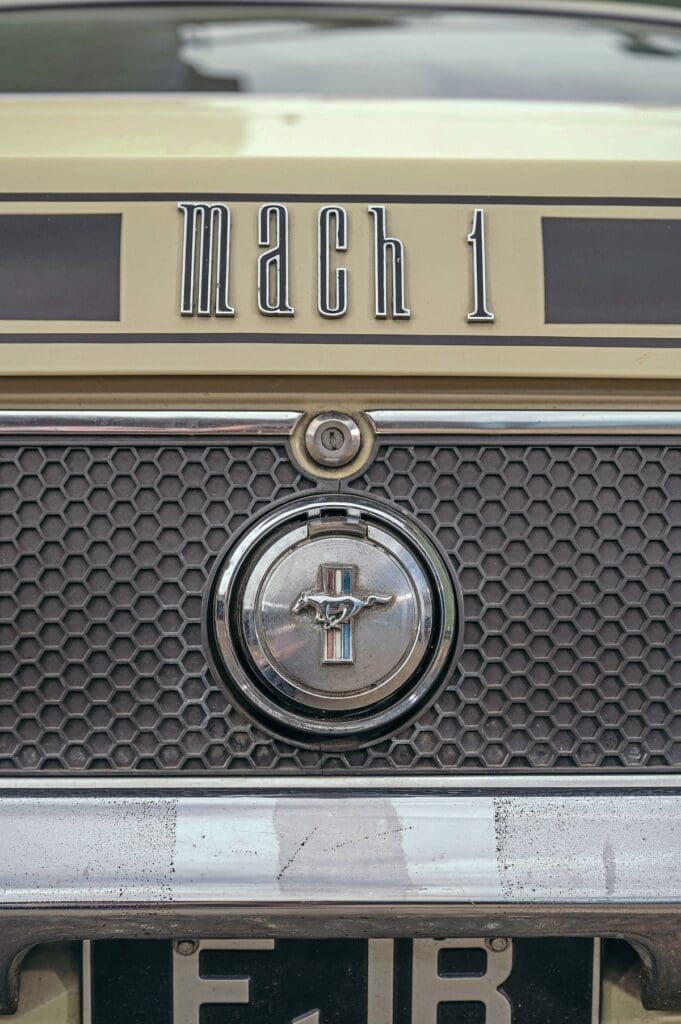
“Once I got the Mustang on August 5, 1970, I had it Ziebarted since Canadian friends recommended it as the perfect anti-rust treatment,” remembers Barry. “It’s the reason the car survived. I also fitted large aftermarket overriders having seen the local ‘contact parking’ method of backing into each other’s cars…” The Mustang was registered in Sheena’s name, not Barry’s. “I’d travelled back to England a few times and although you didn’t pay import duty if you’d owned a car abroad for over a year, I was concerned the time I’d spent back in the UK might count against that.
“We used the Mach 1 as our everyday car, then in 1971 returned to England. I convinced my firm to pay for us and the Mustang to travel back on the QE2, which was then less than two years old (the Mustang, not the QE2!). Once in the UK the customs man refused to believe the Mustang wasn’t brand new and I had to visit the nearest DVLA office so they could confirm the age from the VIN. I then fitted white and yellow reflective numberplates with, ironically, a 1972 number…”
Bad vibrations
One thing bothered Barry. “There was always a front vibration around 70-80mph, severe enough that the bonnet moved from side to side and was starting to scratch the paint. My friend’s 1971 had the same issue. The dealership checked the tracking and said it was fine. I had Ford’s Massachusetts regional distributor test the car and they found three of the tyres were defective and promised replacements. Now in the UK, I wrote directly to Henry Ford II and got a swift reply promising tyres would be supplied free via BF Goodrich Tyres in London. New radials were fitted in place of the glass fibre belt cross-plies that, after a week or two of sitting, would develop flat spots. Problem solved, thank you Henry…
“A work client had added a Philips radio cassette to his Triumph 2000, so I put one in the Mustang, but otherwise it stayed stock. It was my fun ‘hairy’ car and we continued to use it most days and for holidays with our two kids in the back, although after a while Sheena wanted something smaller with automatic transmission. In the Nineties, we went through the Mustang, replaced the fuel and brake lines and generally cleaned it up.
“It developed a fault, where it would stall. We cleaned the fuel tank, changed the lines and rebuilt the carburettor – the kit cost £12. It had all the characteristics of vapour lock, but we finally traced it to the tachometer. That was effectively an ammeter and the current to the coil was a measurement of the rpm; every so often it would cut the voltage and stall the car. When turning the ignition key, it passed full power to the tachometer so it always started up again fine, but the fault would sporadically recur.”
In 2019, after almost 50 years, Barry sold the Mustang. “I’d bought a new Marcos V8 I was using for sport and track driving so the Mach 1 was spending most of its time in the garage. My MoT man would joke I’d done under 300 miles each year, so I mentioned on the Mustang Owners’ Club forum I’d maybe let the Mach 1 go to a good home. It was a one-owner car with 47,000 miles, the Cleveland had never been apart; being a genuine survivor, it naturally attracted a lot of interest. “The chap who bought it, I believe, then lost his storage space and then sold it to someone in Devon. I understand he put twin exhausts on it – you only got one if you ordered the standard two-barrel carburettor – twins better suiting the Mach 1 image and sound. After that, it was bought by Colin. I purchased a new 2020 Bullitt Edition Mustang, so I’m keeping my hand in.”
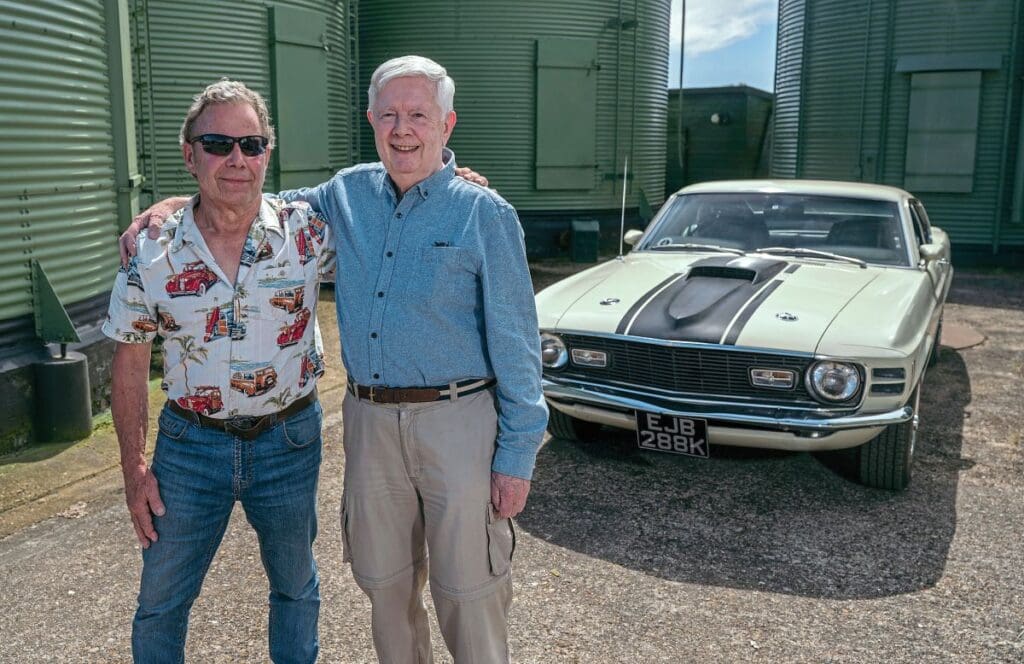
Under new management
When we photographed the Mach 1, it was owned by Colin Shepherd who, you might recall, won the Kingstown Shipping’s Car of the Year award in 2024 with his 1960 Buick convertible featured in our February issue. “I bought the Mach 1 in 2023,” says Colin. “A friend was selling a 1967 Corvette and I understand the guy who’d agreed to buy it was waiting for a probate to come through, so I ended up buying the Mach 1 from him so he had the money for the Corvette. I’d always liked the Mustang Mach 1 model and, based on his description and some photos, I bought the car sight unseen from Plymouth.” Ordinarily, it would be a gamble, but, as we already know, this wasn’t your average old Mustang and Colin is used to buying cars, making improvements then selling them to make room for the next one.
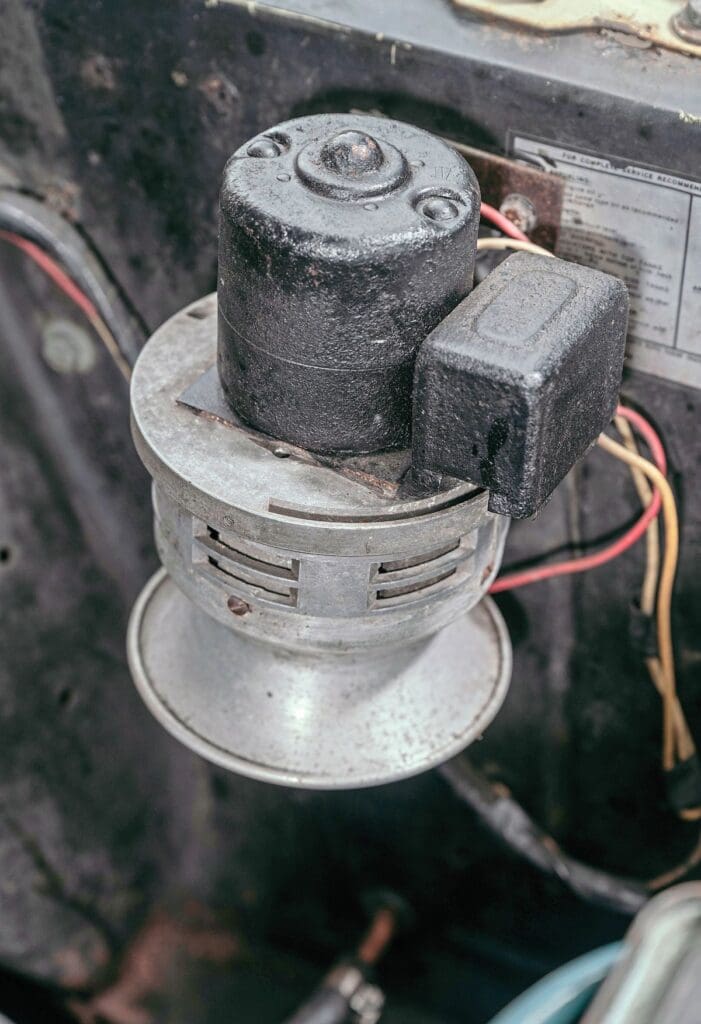
“I knew it had never been welded and with the description including one owner until 2019, I thought it wouldn’t be a big risk.” Even so, when the Mach 1 arrived, it needed work. “It wasn’t running,” remembers Colin. “I ended up spending about two months on and off doing little jobs. I fitted a new ballast resistor, did some brake work and wiring. It still had the Sears & Roebuck alarm immobiliser Barry had fitted when it was new, connected to a siren under the bonnet with control buttons on the doors and bootlid. The wiring was frayed and rubbing around the boot. I could see at some point either the alarm would go off or the car would end up immobilised, so I removed all the wiring for that.
“The clutch pedal mount had broken, plus I put on new radiator hoses and fitted new fuel lines. It also had a Seventies radio cassette and the dashboard ends had been cut for speakers, so I removed them and repaired the holes. I also had a little bit of paint blown in where it was getting thin.
“Overall it was a nice, largely unmolested example. I drove the Mach 1 from June 2024 then sold it in April this year. I really enjoyed owning it and everyone who saw it loved the Mustang. Kids would shout out asking if it was the Steve McQueen car. I felt it needed power steering though, and I even bought a conversion kit but I never fitted it. It was a really good, original car.”